2 hr
Manhattan Architecture Cruise by 1920s Yacht
- Private experience
- Personal attention
- Premium amenities
- Free cancellation
Manhattan Boat Tour Architecture — Skyline & Landmark Cruises
Sail past Art Deco towers and glass curtain walls, every angle a lesson in vertical ambition
Compare fares, pick the fit — all bookings are mobile-voucher and eligible for free cancellation where shown.
2 hr
1 hr 30 min
1 hr 30 min
Choosing the right manhattan boat tour architecture ticket depends on whether you seek the comprehensive full-island circumnavigation or a more focused regional survey of city landmarks.
|
Top pick Communal Seating Shared deck access |
Private Section Exclusive seating area | |
|---|---|---|
| Tour Duration | 2.0–2.75 hours | 2.0–2.75 hours |
| Expert Narration | AIA member guide | AIA member guide |
| Complimentary Beverage | One beer, wine, or champagne | One beer, wine, or champagne |
| Accessibility | Standard deck access | Standard deck access |
| Best for | First-time visitors | Private groups seeking space |
| See tickets & prices |
Verdict: We recommend the Communal Seating manhattan boat tour architecture tickets for first-time visitors to maximize the social and educational experience.
Worth it for architecture enthusiasts and photographers
A manhattan boat tour architecture experience delivers what standard harbor cruises cannot: specialized narration from guides trained in architectural history, unobstructed water-level perspectives of Art Deco skyscrapers, and access to viewing angles impossible from land. The Manhattan Architecture Cruise by 1920s Yacht starts at $74 per person for communal seating, positioning itself as a premium option above generic sightseeing loops. You're paying for expertise—narrators identify architects, construction techniques, and historical context for landmarks like the Chrysler Building and One World Trade Center rather than reading generic scripts. The experience suits visitors who appreciate design details and want more than a photo pass of the skyline. Casual tourists satisfied with standard harbor views can save money on broader Manhattan boat tour architecture tours that cover the waterfront without the specialized focus. The value math works if architectural storytelling and expert commentary justify the premium over $40–50 standard cruises.
Bottom line: The specialized architectural focus and expert narration justify the cost for design-minded visitors who want substance beyond standard skyline snapshots.
They complement each other; most visitors who do both call the nautical experience more relaxing for skyline viewing, while the walking path provides better intimacy with Manhattan landmarks.
|
Top pick Manhattan Boat Tour |
Midtown Walking Tour | |
|---|---|---|
| Viewing distance | Long-range skyline views | Immediate street-level proximity |
| Perspective | Panoramic and wide-angle | Granular and vertical detail |
| Energy level | Passive seated observation | Active physical engagement |
| Navigation ease | Fixed maritime route | Customizable pedestrian paths |
| Weather dependency | Exposed to wind and spray | Highly susceptible to precipitation |
| Focus area | Island silhouette and harbors | Interior lobby and facade craft |
| See tickets & prices |
Verdict: Securing your manhattan boat tour architecture tickets provides a broad context of the city, whereas the walking tour serves as the ideal manhattan boat tour architecture tour substitute for travelers seeking manhattan boat tour architecture tours focused on historic interior masonry.
Hand-picked experiences loved by thousands of travelers
2 hours 30 minutes
Free Cancellation
Sail around Manhattan's entire coastline and get up close to Lady Liberty on this 2.5-hour harbor tour
1 hour 30 minutes
Free Cancellation
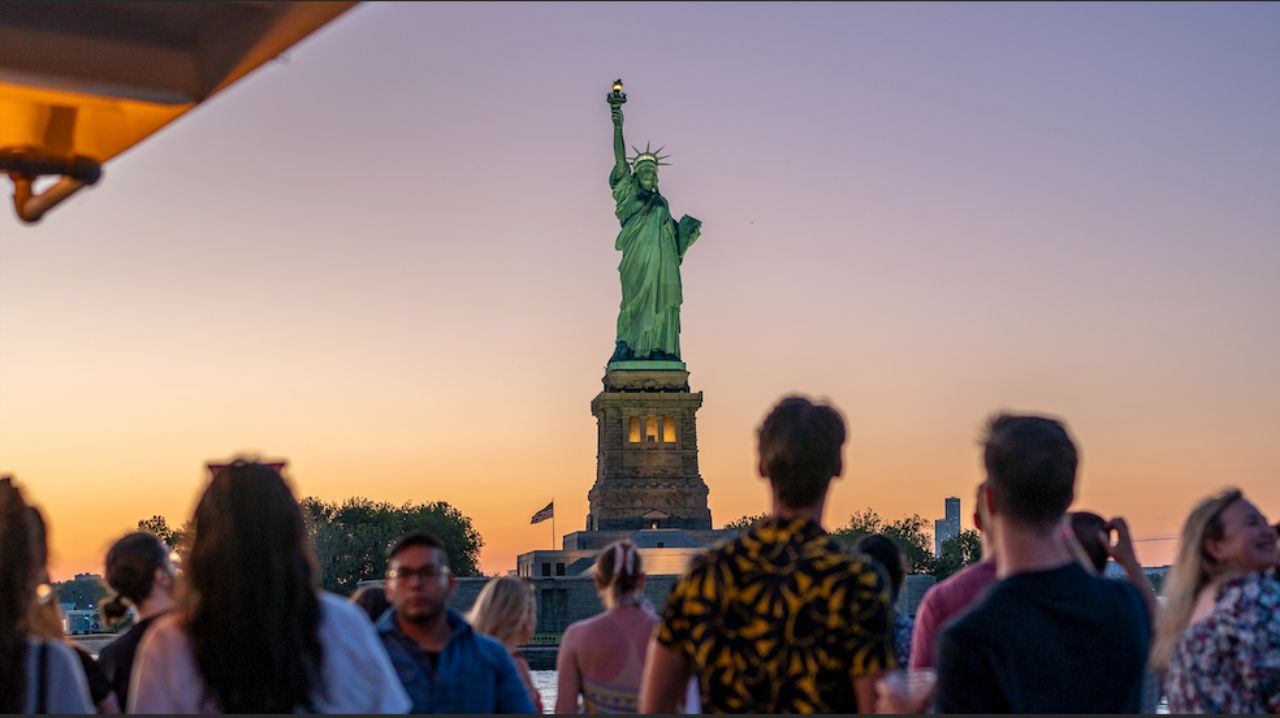
Glide past Lady Liberty as the sun dips below Manhattan's skyline on this scenic evening harbor tour.
2.5 hours
Free Cancellation
Explore Manhattan's most stunning Art Deco landmarks and architectural treasures on this expert-led walk
1 hour 30 minutes
Free Cancellation
Sail past the Statue of Liberty and watch the skyline glow as day turns to dusk on the Hudson River.
2 hours
Free Cancellation
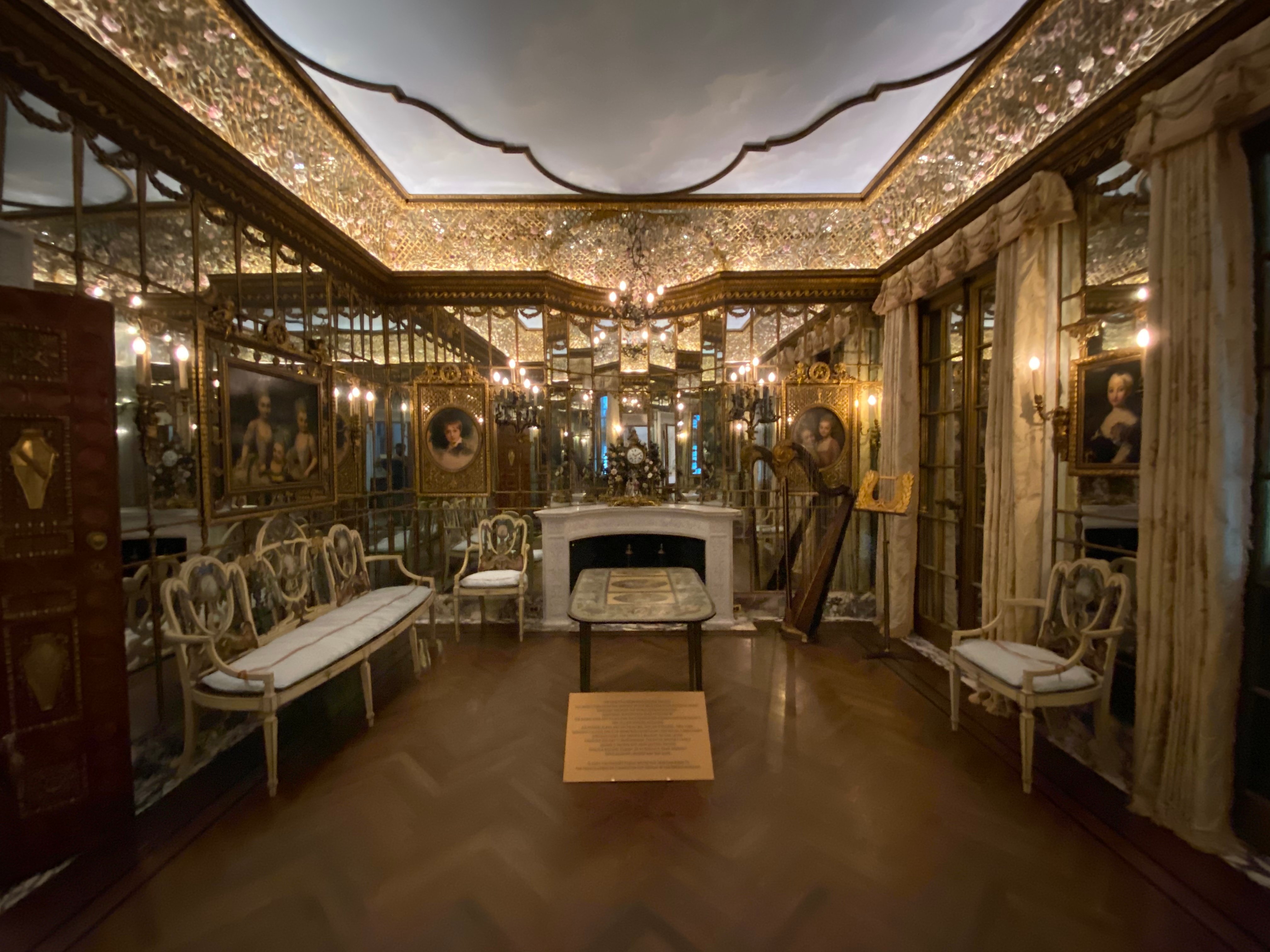
Step into Fifth Avenue's opulent past and explore the lavish estates of America's wealthiest families
1.5 hours
Free Cancellation
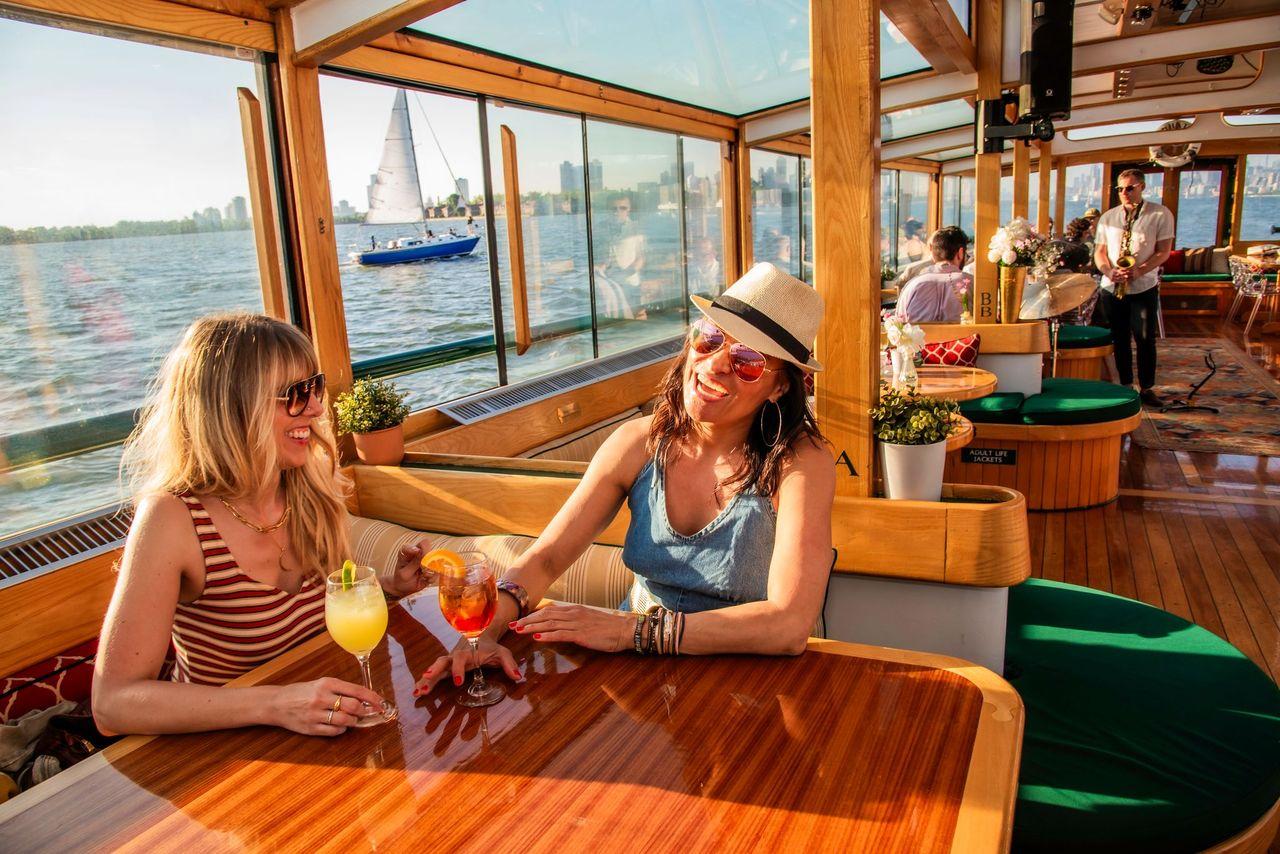
Evening harbor cruise showcasing Manhattan's illuminated skyline and iconic landmarks from a vintage-style yacht
1 hour 30 minutes
Free Cancellation
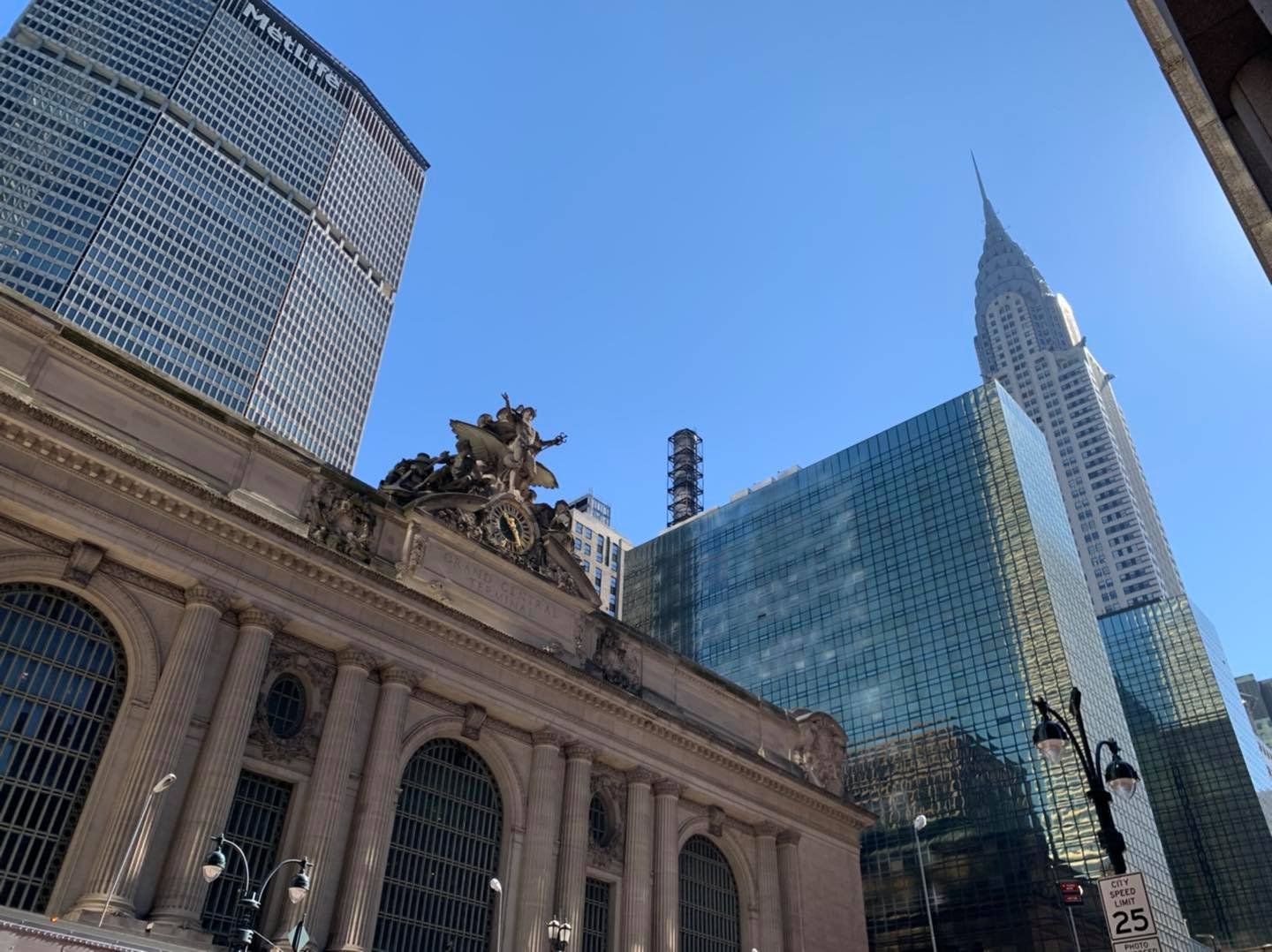
Explore hidden corners and architectural wonders of NYC's legendary transportation hub with an expert guide
75 minutes
Free Cancellation
Explore Manhattan's elevated park 40 feet above street level on this storytelling walk through history
All the details about your upcoming adventure in one place
The Manhattan skyline rises from bedrock schist, a vertical anthology written in limestone, steel, and glass. By 1930, the island held 188 buildings taller than twelve stories — more than any city on Earth.
The Woolworth Building's terra-cotta Gothic soared to 241 meters in 1913; the Chrysler's stainless-steel spire pierced 319 meters seventeen years later. The waterfront became a testing ground for engineering ambition, where architects discovered that wind load, not gravity, governed the skyscraper's final form.
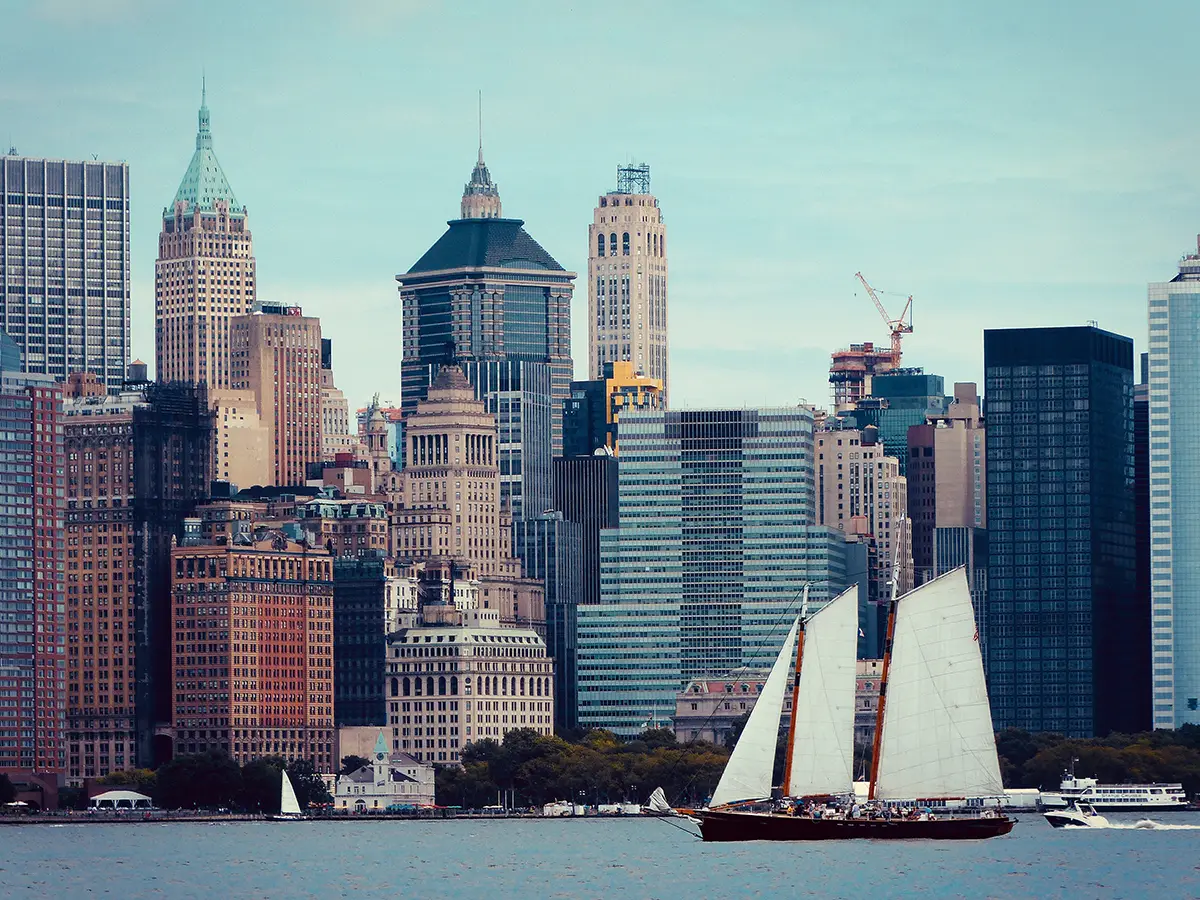
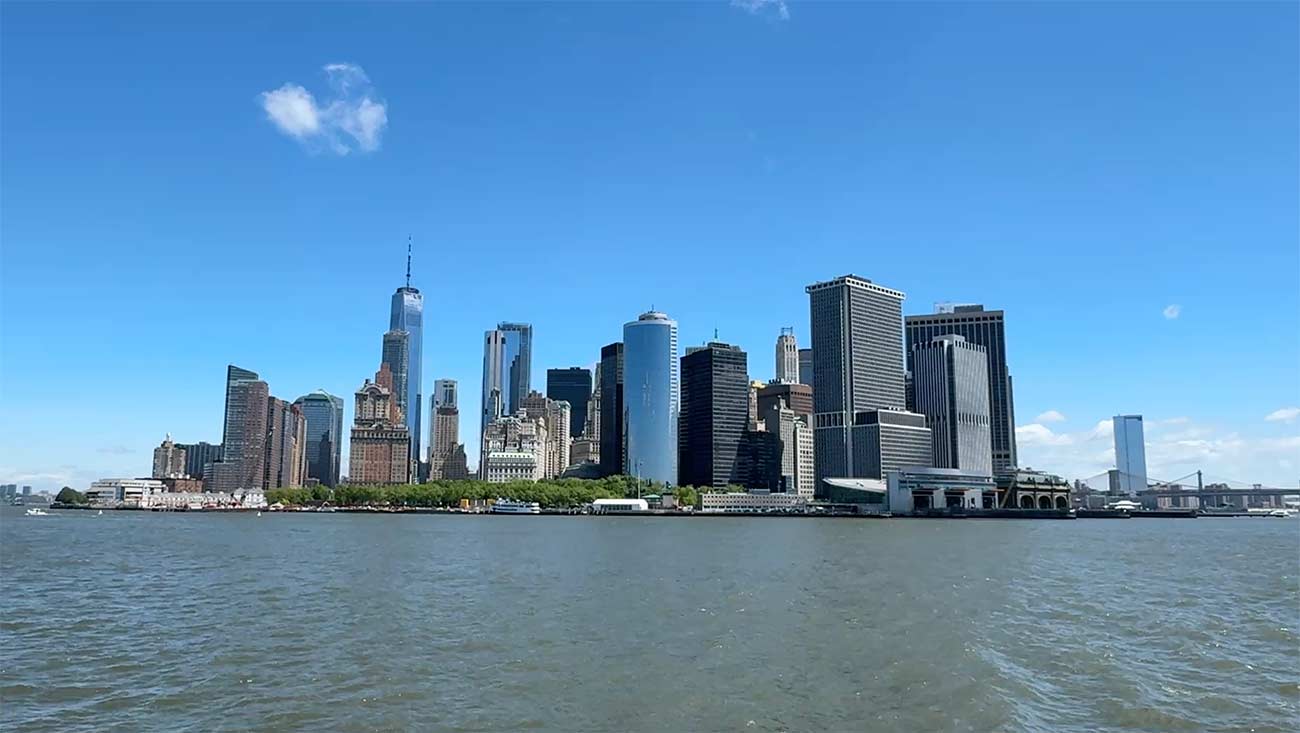
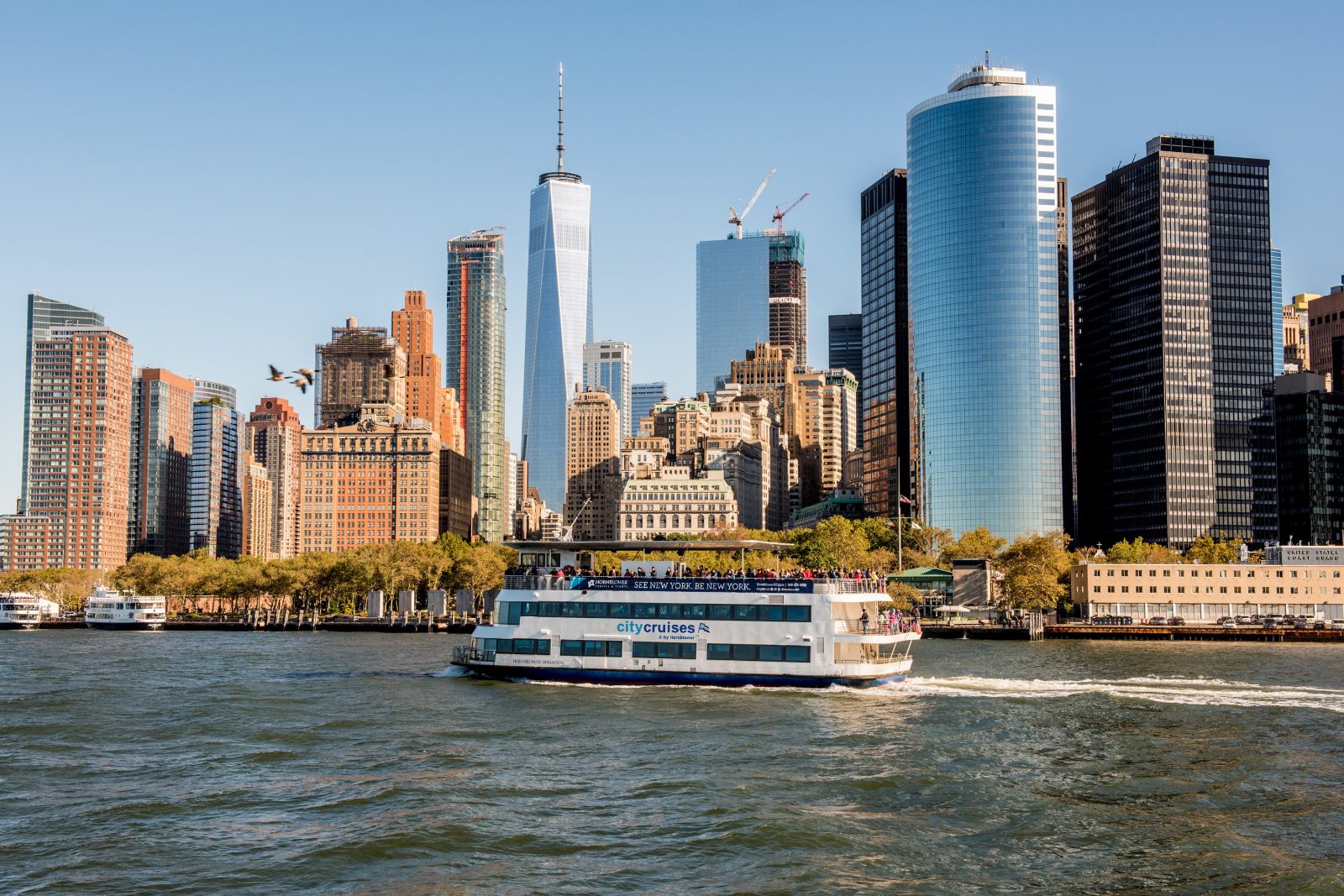
A manhattan boat tour architecture cruise frames these towers from the Hudson and East Rivers, where the full profiles emerge. The Seagram Building's bronze-and-glass curtain wall, Mies van der Rohe's 1958 manifesto in restraint, reads cleanly from the water. One World Trade Center's faceted glass reflects hourly light shifts across 541 meters. The Hearst Tower's diagrid exoskeleton, cantilevered above a 1928 cast-stone base, demonstrates adaptive reuse at landmark scale. From deck level, the massing decisions become legible: setbacks dictated by the 1916 Zoning Resolution, the Art Deco crown work of Raymond Hood and Shreve Lamb Harmon, the International Style's arrival with Lever House in 1952.
The waterfront itself carries architectural weight. The Brooklyn Bridge's Gothic Revival towers, completed in 1883, introduced suspension-cable engineering to American infrastructure. The South Street Seaport's Schermerhorn Row, an 1811 Federal-style warehouse block, survives as the oldest commercial district on the island. The High Line's elevated rail conversion and the glassy condominiums of Hudson Yards represent the latest chapter in adaptive density.
These cruises depart from Chelsea Piers, itself a 1910 maritime landmark repurposed into recreational infrastructure. The route typically circles Manhattan Island or traces the Lower Harbor, passing Ellis Island's Beaux-Arts immigration hall and the Statue of Liberty's copper oxidation study. Ninety-minute loops allow time to register stylistic shifts — from the cast-iron warehouses of TriBeCa to the postmodern granite of Battery Park City. Architectural literacy deepens when the city reveals its third dimension from open water.

By 1930, Manhattan held 188 buildings taller than twelve stories — more than any city on Earth.
Cancellations made at least 48 hours in advance are eligible for a refund. No refunds are issued for cancellations requested within 48 hours of the scheduled time.
Weather · crowds · average price — dots go green to amber to red as each metric rises.
Mild temperatures make this an ideal time for viewing Manhattan landmarks from the water.
Longer daylight hours allow for extended views of the skyline and bridge structures.
Crisp air and clear visibility provide excellent conditions for photography.
Cooler weather requires layers, but the architectural details stand out against the clear sky.
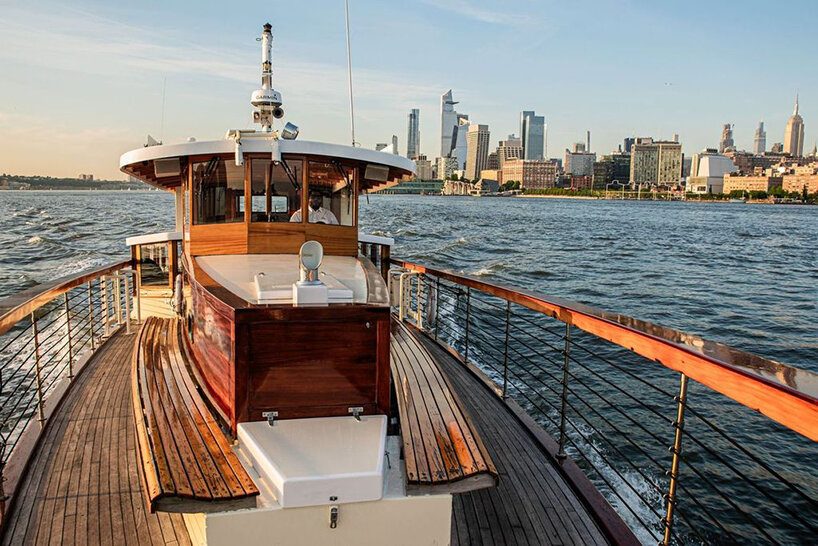
Sea breezes can be chilly even on warm days during your manhattan boat tour architecture journey. Bring an extra layer to stay comfortable while on the teak deck.
Have your manhattan boat tour architecture confirmation ready upon arrival at the pier. This ensures a quick check-in process at Pier 62.
The sun reflects off the water during the manhattan boat tour architecture trip. Wear sunscreen and sunglasses for the duration of your time on the river.
Keep cameras and mobile devices secure with straps while on deck. The manhattan boat tour architecture involves moving vessels where items can easily drop.
Drink plenty of water before boarding your manhattan boat tour architecture excursion. Purchase additional beverages on board if necessary.
New York's tradition of waterborne sightseeing emerged in the 1880s, when paddle-wheelers ferried day-trippers around Manhattan's perimeter. By 1900, these excursions focused on the harbor's commercial might—warehouses, piers, and the steam-powered traffic that made the port the nation's busiest. Architecture played a supporting role until the 1930s, when the completion of the George Washington Bridge and the Empire State Building reframed the skyline as a vertical spectacle. Tour operators began marketing "skyscraper cruises," pointing out the Woolworth Building and the Chrysler Building from decks that offered unobstructed views unavailable from street level. The collapse of the waterfront economy in the 1960s nearly ended the industry. Containerization moved cargo to New Jersey, leaving Manhattan's piers derelict. Circle Line, founded in 1945, survived by pivoting from industrial narrative to architectural storytelling, hiring guides trained in Art Deco and Beaux-Arts vocabulary. The 1976 Bicentennial renewed interest in Manhattan boat tour architecture, as preservationists cataloged riverfront landmarks threatened by redevelopment. The World Trade Center's twin towers, completed in 1973, became the tour's narrative anchor until their destruction in 2001 forced operators to rewrite scripts around resilience and reconstruction. Today's architectural cruises reflect a gentrified waterfront. Chelsea Piers, built in 1910 for transatlantic liners and abandoned by 1960, reopened as a sports complex in 1995 and now hosts departures for specialized tours. Modern operators use GPS-triggered audio to identify buildings by architect and construction date, blending historical commentary with real-time skyline documentation. The proliferation of supertall residential towers since 2010 has expanded the catalog of manhattan boat tour architecture tours, though guides lament the loss of setback regulations that once gave the skyline its legible rhythm.
Paddle-wheel steamers begin recreational circuits around Manhattan, emphasizing harbor commerce.
Empire State and Chrysler buildings shift tour focus to skyscraper architecture viewed from water.
Circle Line launches, standardizing the circumnavigation route and architectural narration model.
World Trade Center completion redefines Lower Manhattan skyline and tour itineraries.
Chelsea Piers redevelopment creates new departure hub for specialized architectural cruises.
Supertall residential construction transforms Midtown skyline, expanding architectural tour content.
Position yourself at the very front of the vessel for an unobstructed view of the skyline. This vantage point provides the clearest sightlines for documenting manhattan boat tour architecture without deck obstructions.
Stand along the right side of the craft to capture the primary alignment of midtown skyscrapers as the boat cruises north. This spot is ideal for those seeking manhattan boat tour architecture tours of the dense waterfront districts.
The rear deck offers a steady platform to frame the receding harbor landmarks and bridge silhouettes. It serves as a tactical location for capturing the changing perspective of NYC landmarks during your Manhattan boat tour architecture tour.
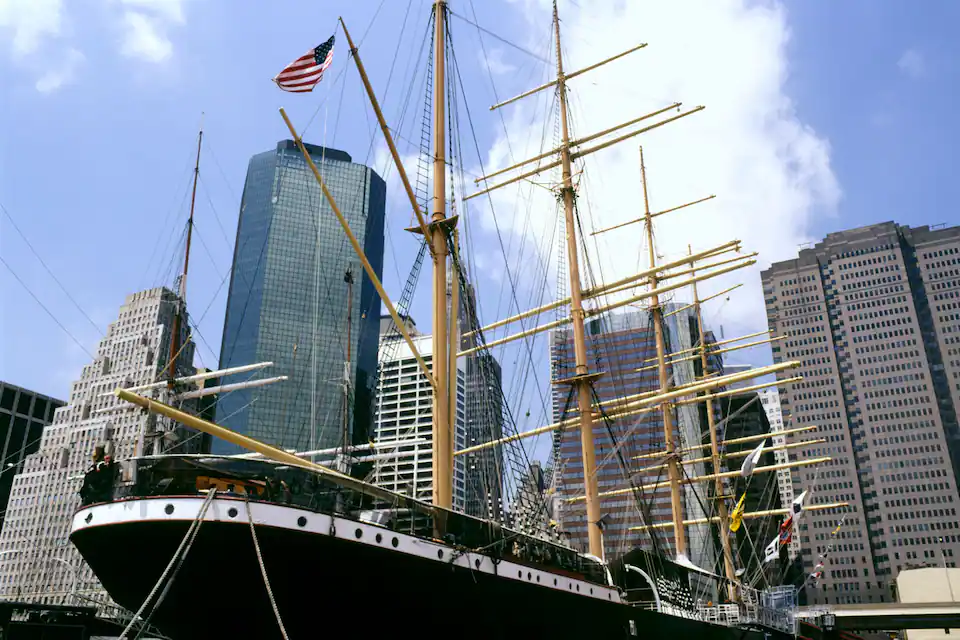
Located near the helm, this area allows for a unique perspective of the rigging against the urban backdrop. Visitors often use this section to secure manhattan boat tour architecture tickets-worthy shots of the mast framing iconic towers.
Experiencing a manhattan boat tour architecture excursion allows families to view the skyline from the water while enjoying the open air. This perspective provides children a unique way to observe New York landmarks without the stress of navigating crowded street sidewalks.
Large jogging strollers may be difficult to manage, so compact options are recommended for this manhattan boat tour architecture tour.
Changing tables are not available on the vessels, so plan for personal care needs before you arrive for your manhattan boat tour architecture tickets. The departure point at Chelsea Piers offers nearby public restrooms with more comprehensive amenities.
The experience is well-suited for school-aged children who can sit for the duration of the cruise and appreciate the skyline views. Younger toddlers may find the open teak deck engaging, though parents should remain vigilant at all times.
To ensure a smooth family outing, aim for the best arrival window of 09:00–21:00 to avoid crowds and secure better viewing spots on the teak deck. The communal seating requires families to arrive early to sit together comfortably while enjoying these manhattan boat tour architecture tours.
Outside food is generally discouraged, though small snacks for children are typically acceptable.
Visitors planning a manhattan boat tour architecture excursion will find limited dining directly at Chelsea Piers, Pier 62, though the surrounding area offers several convenient options. Securing your manhattan boat tour architecture tickets in advance allows you to better manage your meal schedule near these iconic city landmarks.
Located right at Pier 26, this spot offers outdoor seating with river views perfect before your manhattan boat tour architecture tours. The menu features seasonal American fare and a selection of curated wines.
A popular neighborhood establishment known for farm-to-table ingredients that provides a hearty meal before or after your manhattan boat tour architecture tour. Expect it to be busy during weekend brunch hours.
This historic complex houses diverse vendors ranging from tacos to artisanal pastries. It is an ideal choice for groups looking for variety within a short distance of the pier.
Everything you need to know for your journey
Bring your ID, manhattan boat tour architecture confirmation, camera, and weather-appropriate clothing.
An elevated park built on a historic freight rail line offering unique garden designs.
A public park pier with unique architectural columns rising above the Hudson River.
A prominent museum featuring American art with a striking terraced exterior.
A historic industrial building now housing a vibrant indoor food hall.
Nautical-themed hotel located near the Chelsea waterfront.
Modern hotel with a distinct metallic mesh facade and rooftop amenities.
Historic collegiate Gothic building located steps from the park.
Practical lodging situated in the Chelsea district.
Variety of options located near major transit hubs.
Join thousands of happy travelers who have discovered this incredible experience
Book Your Experience Now